


News & Awards.
including honors for “Best Mixed Use,”
“Best Office,” and “Best Historic Rehabilitation”.
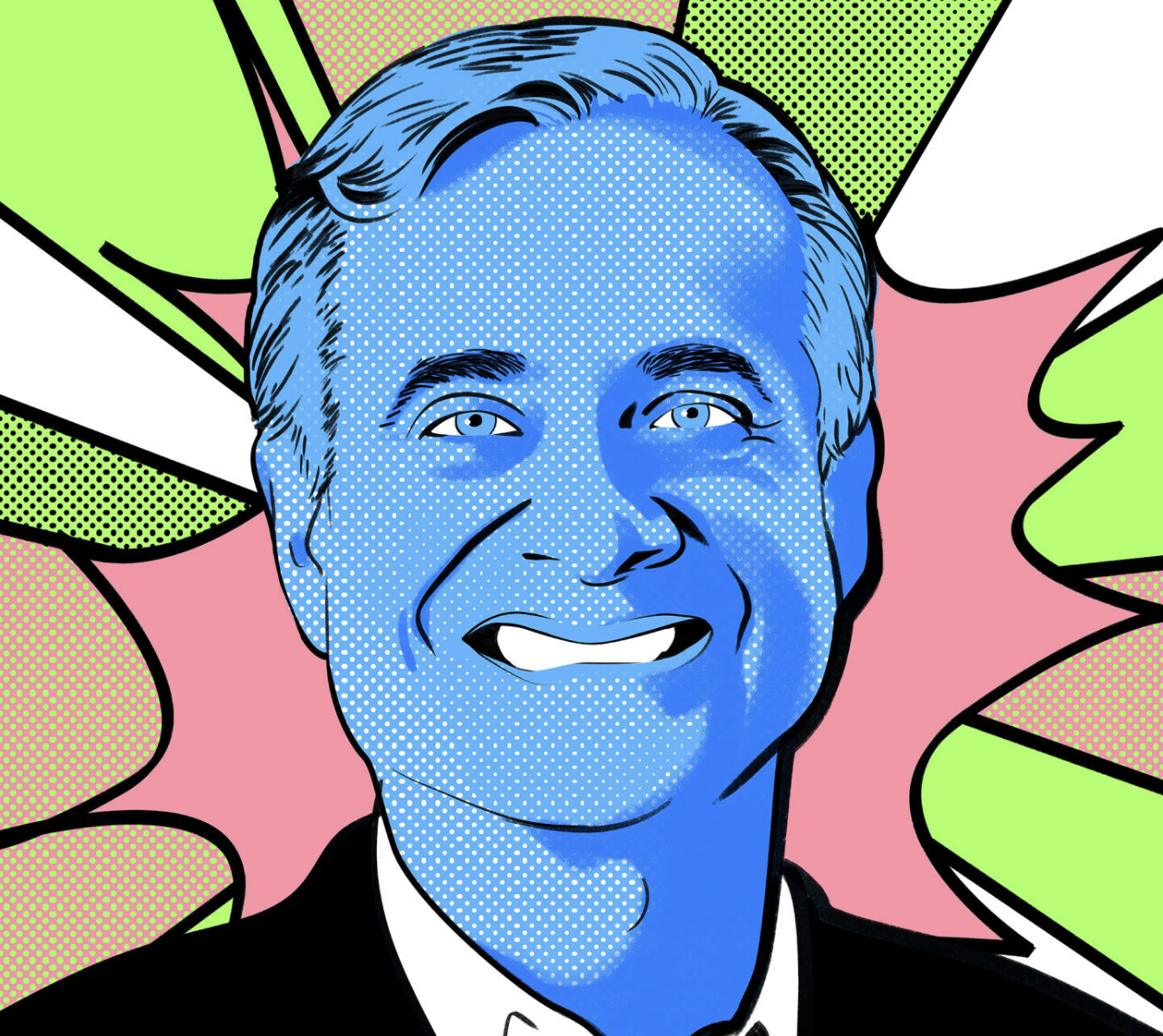
Over the past 30 years, TMG Partners Chairman and CEO Michael Covarrubias has steered the construction of more than 30 million square feet of residential, office, retail and mixed‑use projects across the Bay Area.
He is known for creating consensus to get developments built and championing the future of San Francisco’s iconic buildings, including Macy’s in Union Square and the Metreon. This conversation has been edited for length and clarity.
How does it feel to earn the distinction of being a San Franciscan of the Year? It’s a surprise! You do things over many years — I’ve been in the business of real estate for 40 of them, most of them in San Francisco — so you feel like you’re part of the community, but you also feel like you really don’t make that big a difference on a daily basis.
You’re everywhere and involved in so much. Why choose to be so engaged? I’ve always said that the first step to being a real-estate developer is the only hard one — the lobotomy. When you’re in the community of real estate and public events and things like housing policy and the like, it’s really easy to just sort of say, I don’t have time.
I was fortunate it led into other things, like being part of the Bay Area Council, being asked to be the co-chair of CASA [the Committee to House the Bay Area], which was a group trying to change the way housing law was approved up in Sacramento. You realize that at some point, you get asked because you might be OK at doing some things.
I’ve used the CASA model for many conversations about how we move The City forward, how we move the state forward. It was built upon a consensus model. All the people that were in the room represented their silos, whether it was labor, for-profit, big cities, small cities. Everybody blamed everybody else for the lack of housing, and we said, “If you’re going to be in the room, you’re going to give up something.”
Is The City turning a corner? What’s changed? It’s been a tough five years in real estate. Add to that a challenging political environment in San Francisco in particular. What do they say? “Why do you beat your head against the wall? Because it feels so good to stop.” It feels a little bit like we’re getting the benefits of having beat our heads against the wall. We’ve got a moderate board. We’ve got a mayor who’s an Energizer Bunny and is saying common-sense things.
TMG has taken on iconic buildings. What enables you to pull off projects like Southern Pacific and now Macy’s? I’m a big believer in the age-old classic, “If everybody’s going left, go right.” If a project is so hard, whether it’s environmentally or entitlementwise or structurewise, it’s going to eliminate the number of people that will go after it. And therefore that’s where the opportunities lie.
Macy’s was not 100% sure whether they were staying or going, and I said, ”It really doesn’t matter, because we’re not going to know what to do with this building till we get going.” I think that straight talk was appealing. We’ve done more big, giant historic rehabs in San Francisco itself, and maybe more projects than anybody, and that’s our track record. I think we got credit for having usually done what we say, and having the background of understanding how to deal with historic blocks of space.
What’s your philosophy for building and keeping an excellent team? The model is entrepreneurial. We cover what I would call a base wage, but the way that people are going to, as I say, buy their houses is the projects that we do. There’s profit in each deal, and we share that among the team based upon their involvement in any one project.
The rewards of being in real estate are generally cyclical. They come and they go. This time [during and after the COVID-19 pandemic], they really went. But we never laid anybody off. We’ve always maintained the team, because I believe it’s much more expensive to try to let somebody go, and then when things get hot and heavy, to try to get them back or get someone else. We’re positioned to take advantage when the hockey stick goes back up again.
Finish this sentence: Being a San Franciscan means ... Having the responsibility to do whatever it is you do well enough that when you travel overseas or to New York, somebody says, “Oh, I love San Francisco!”
Favorite building or piece of architecture in The City? I’ve always loved the Southern Pacific headquarters ... it sits at the apex of California Street and Market Street. It’s like the entry point to The City.
I think every broker said, ”You’re not going to get Silicon Valley up here, because they don’t come to San Francisco. You won’t get any tech.” Imagine saying that in 2000. Then we got Microsoft and Salesforce, Autodesk, and we had to force the brokers to bring someone from Silicon Valley to meetings so that he could pitch it down there, because they just didn’t see.